LIZARD PENINSULA  |  2024  |  Cornwall, UK 


Farmers of the Lizard


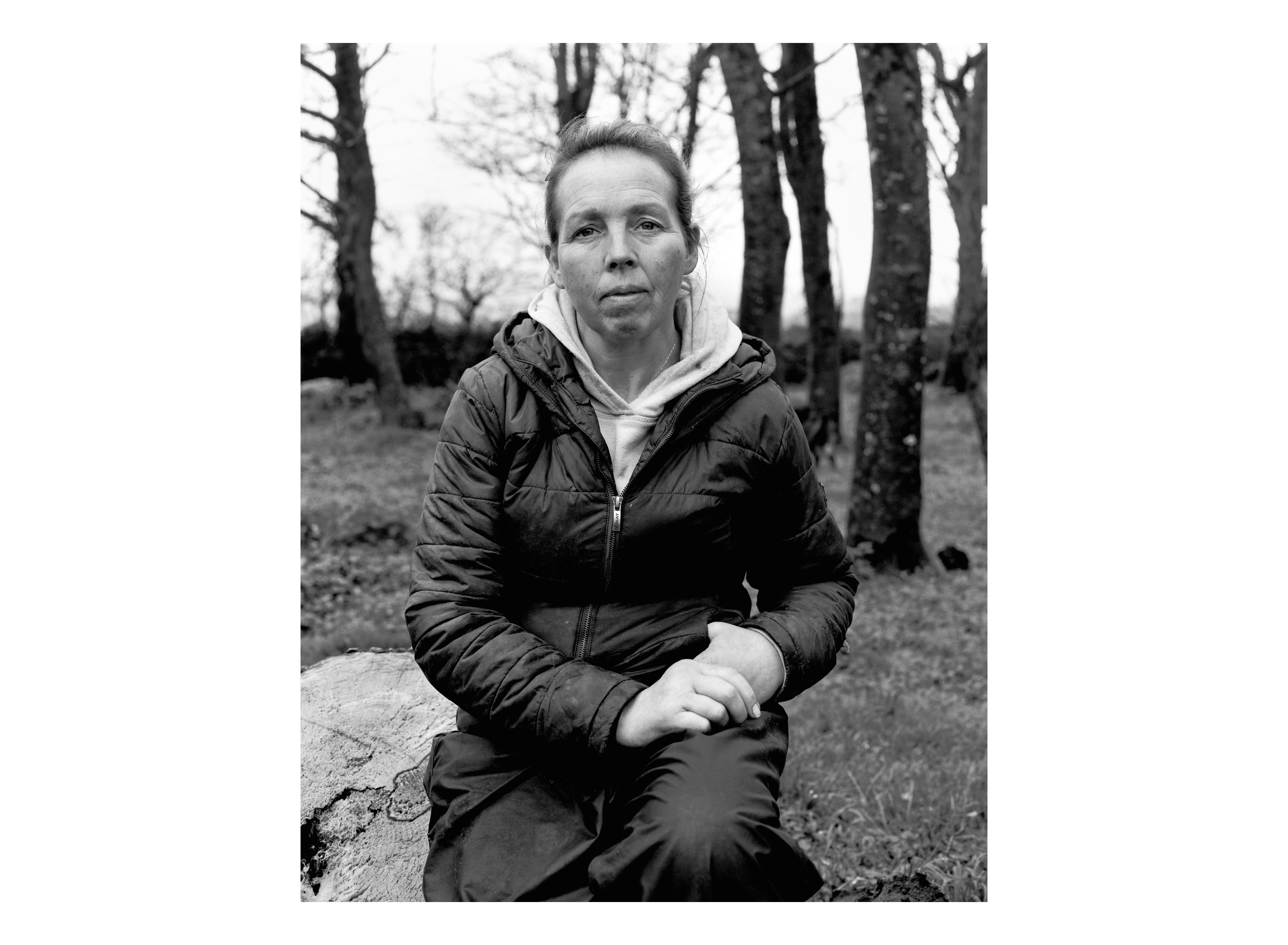
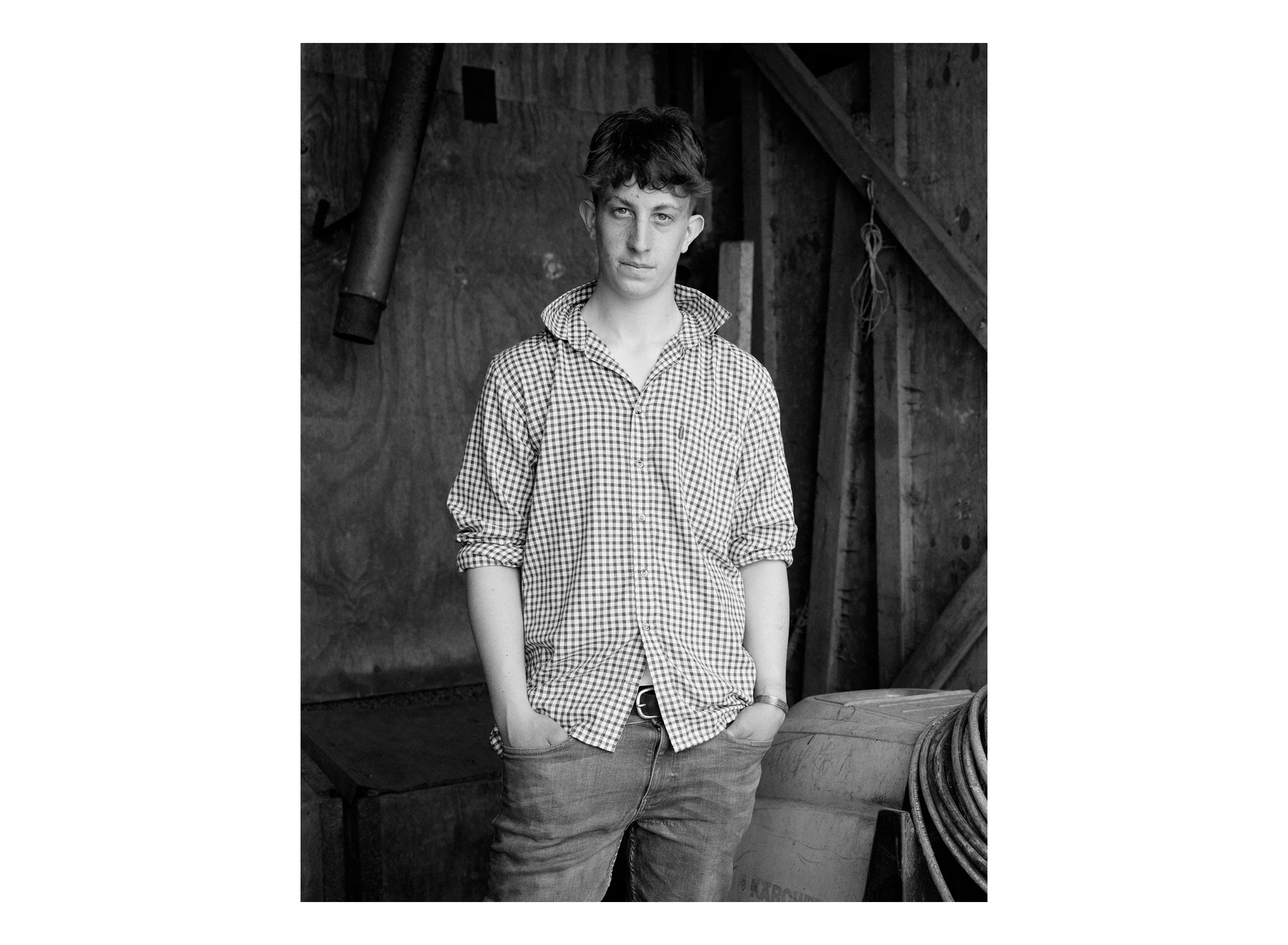
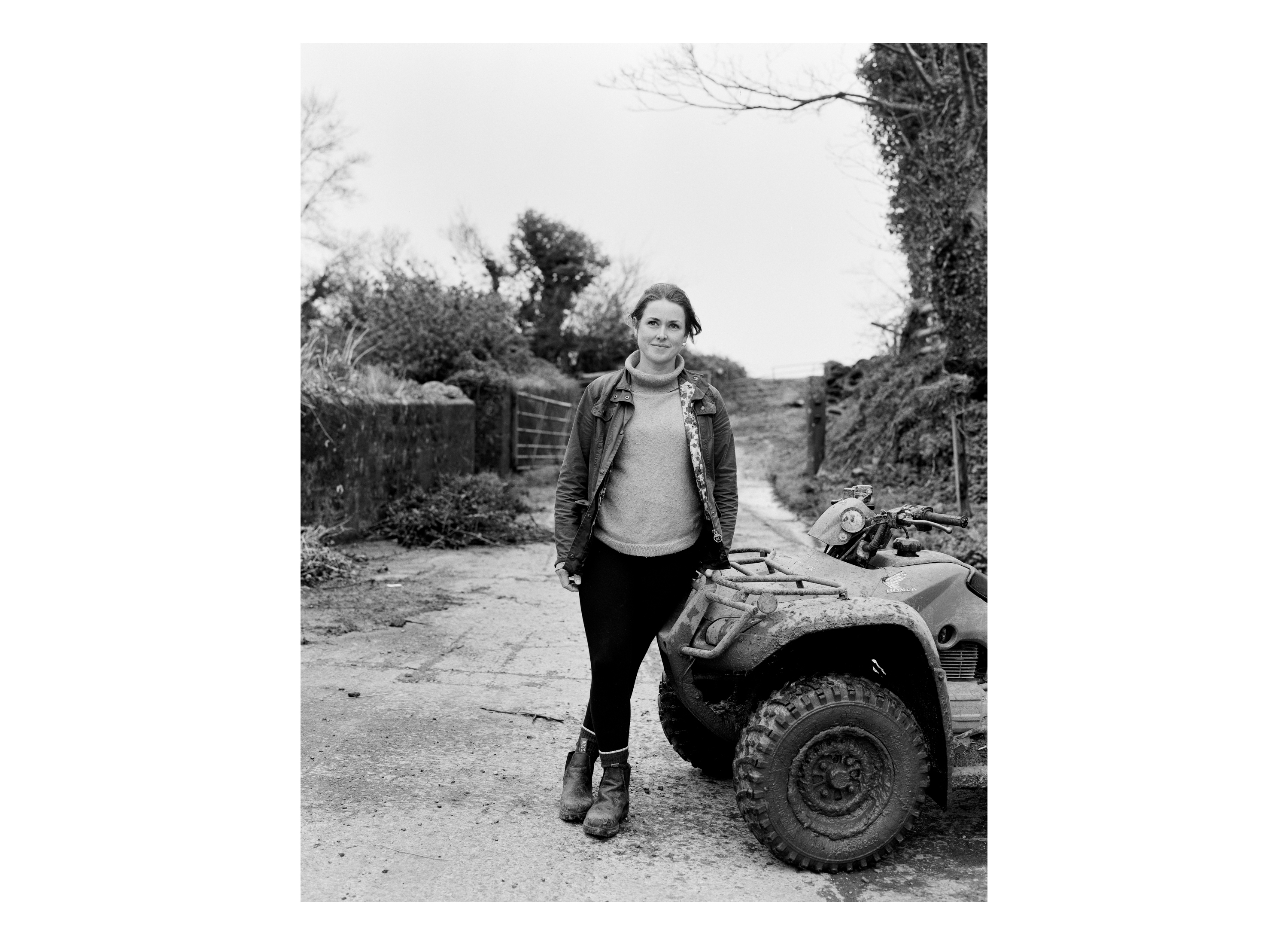
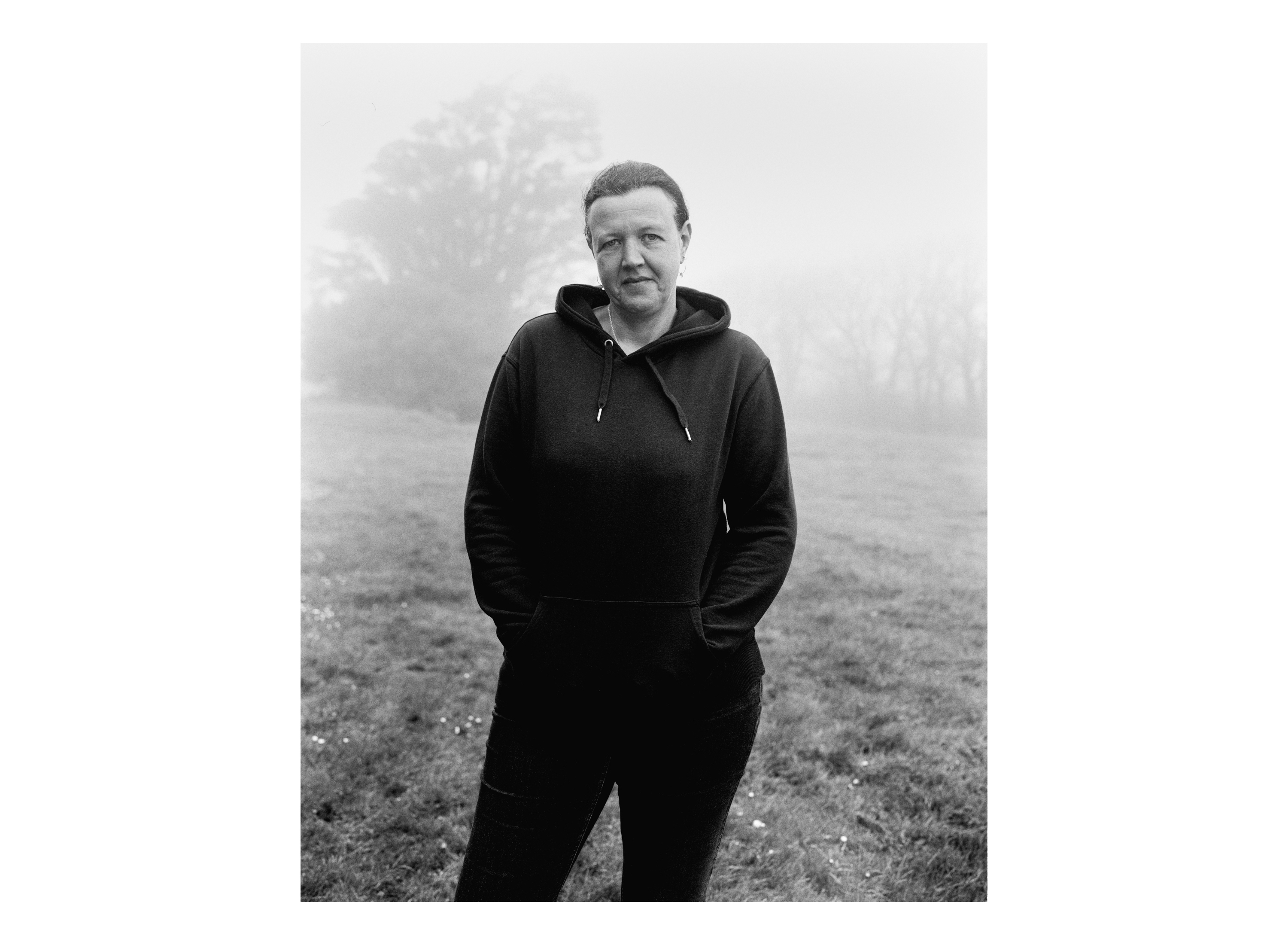
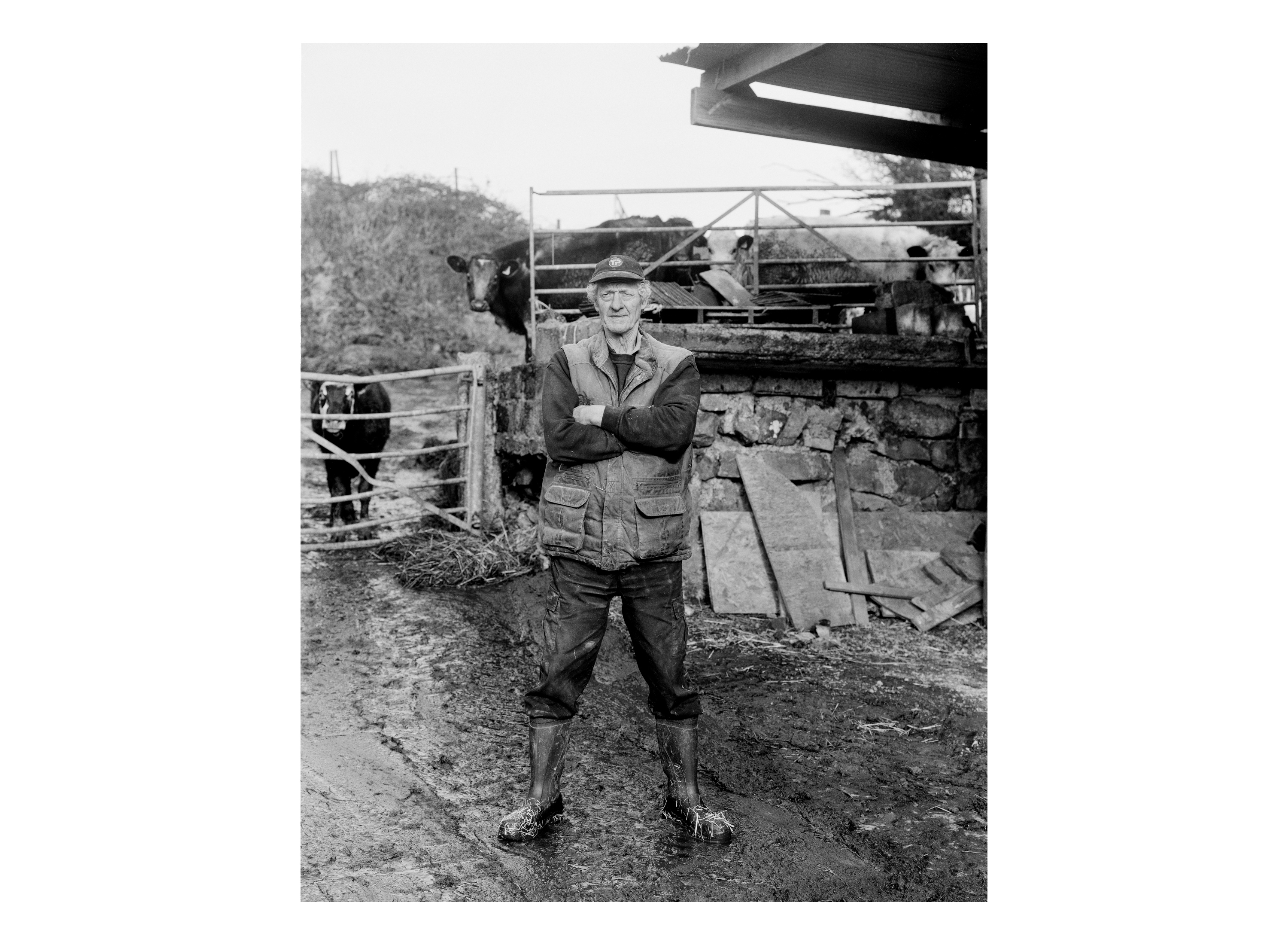
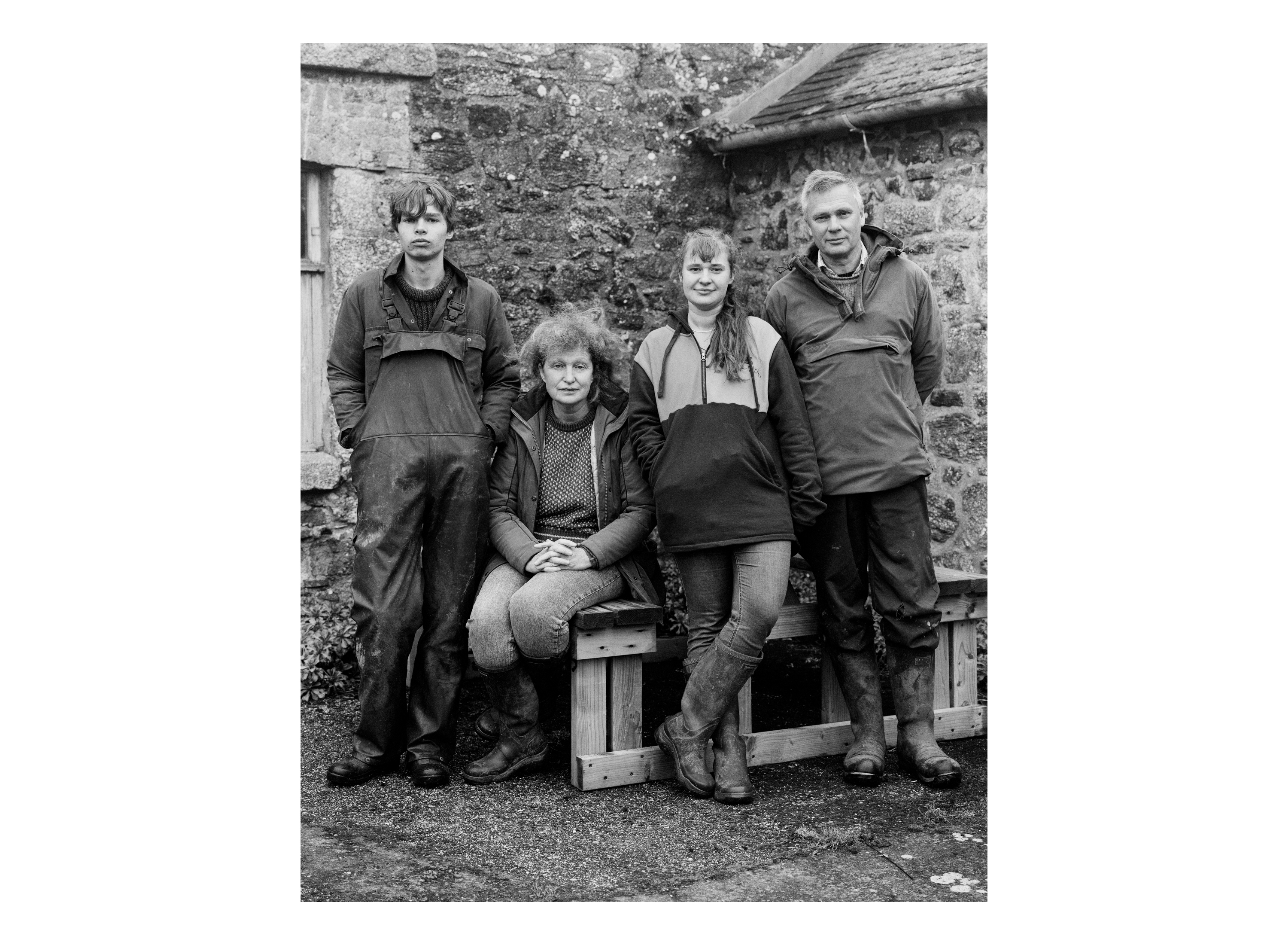
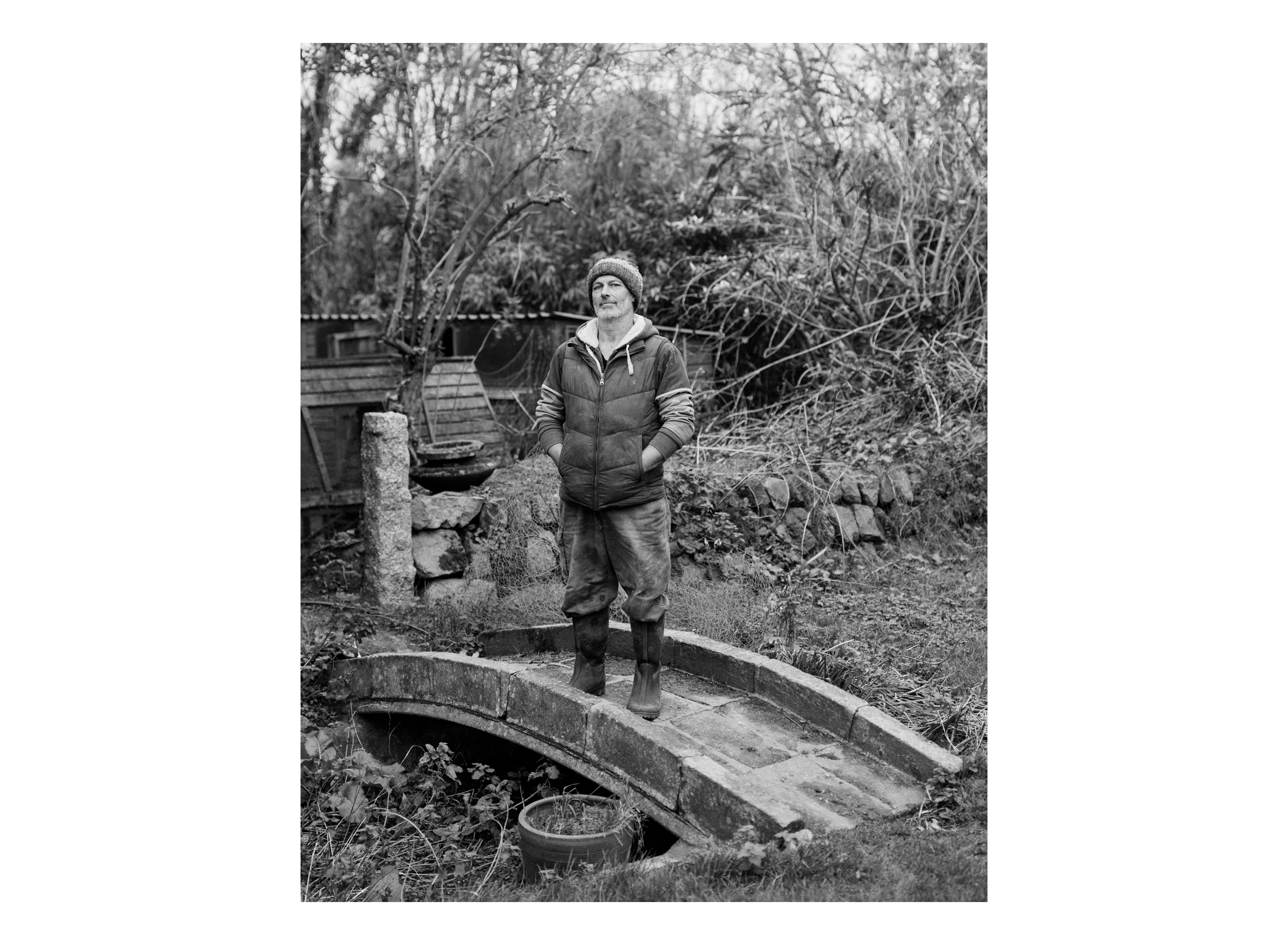
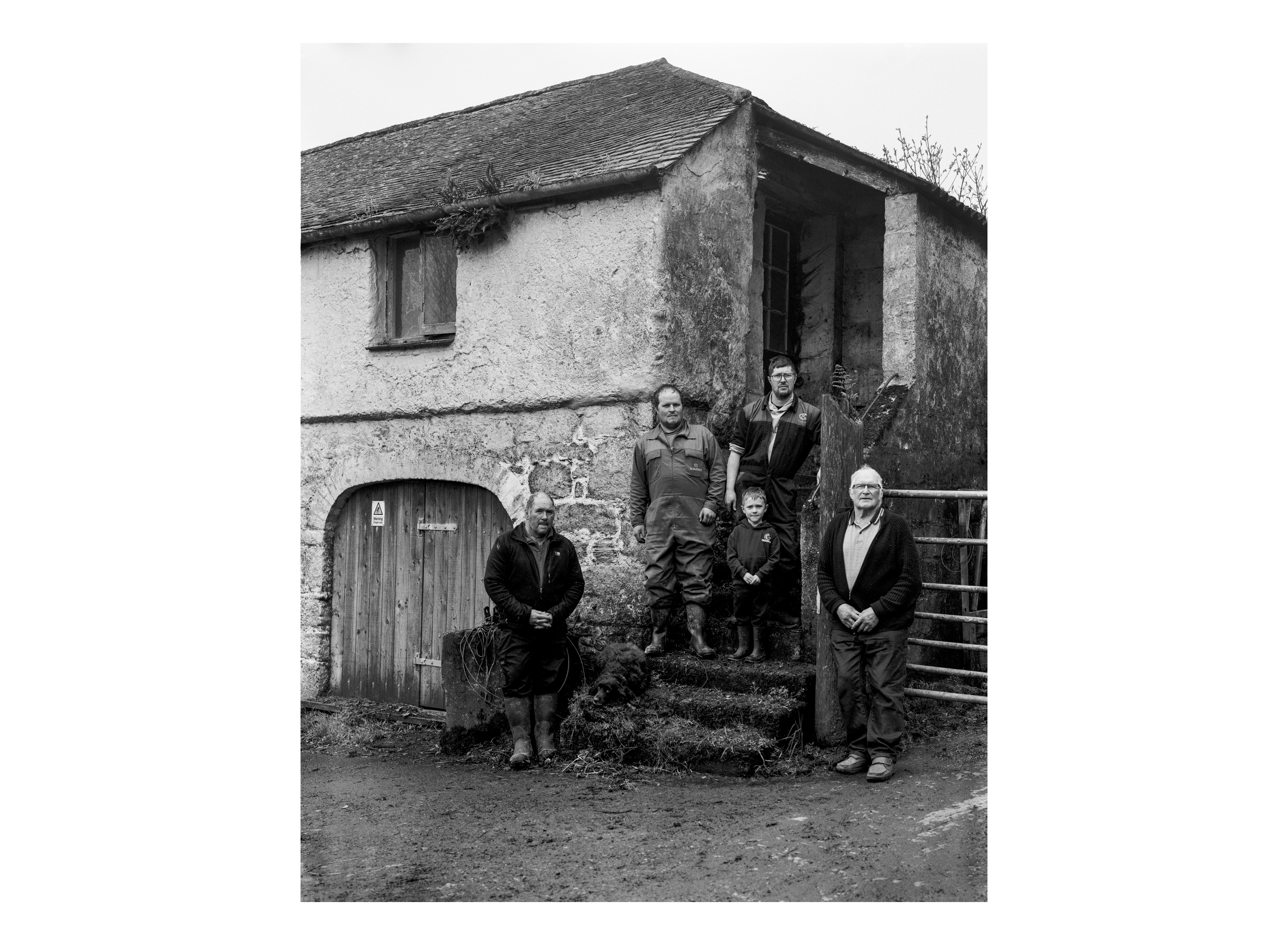
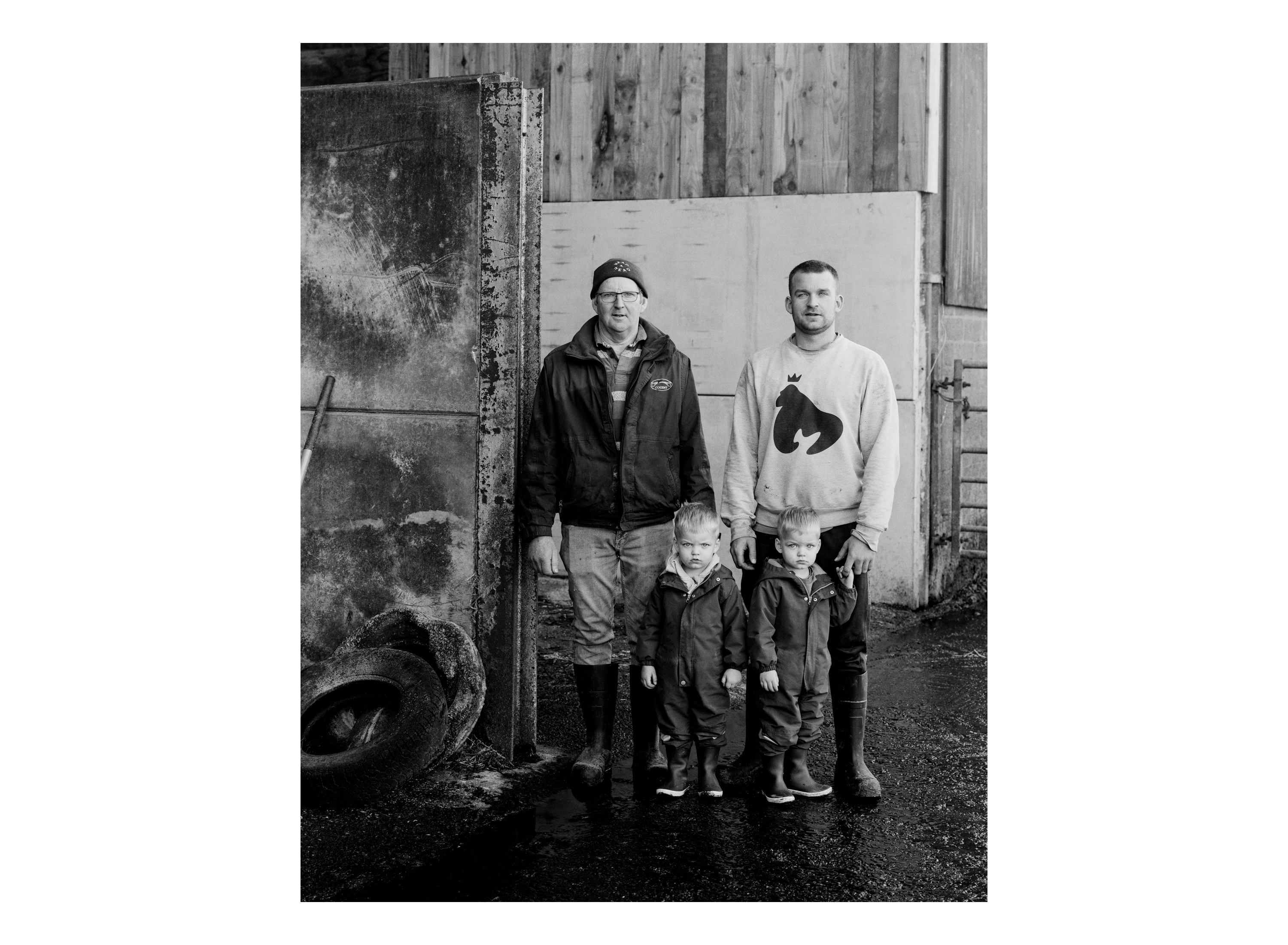
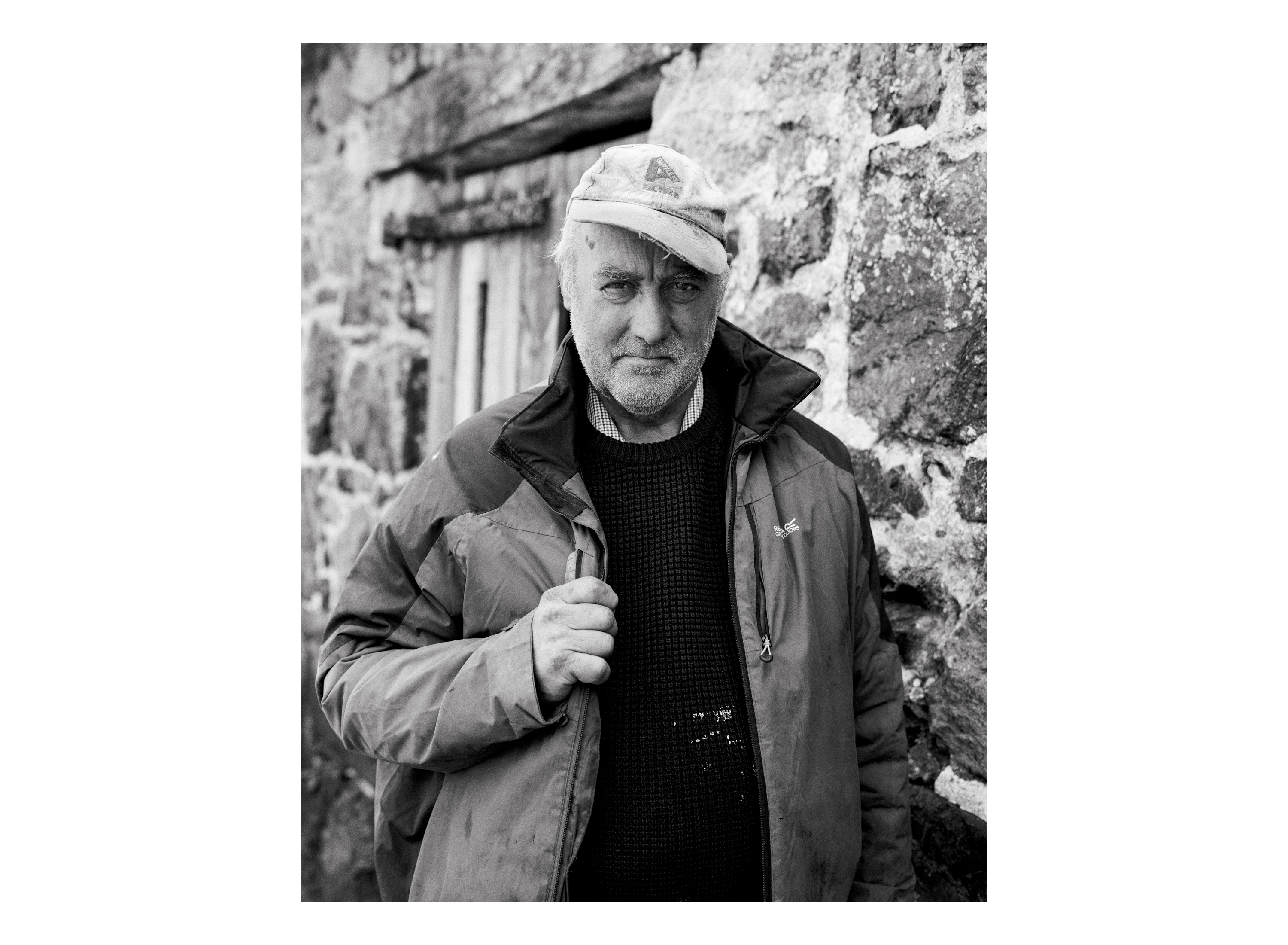
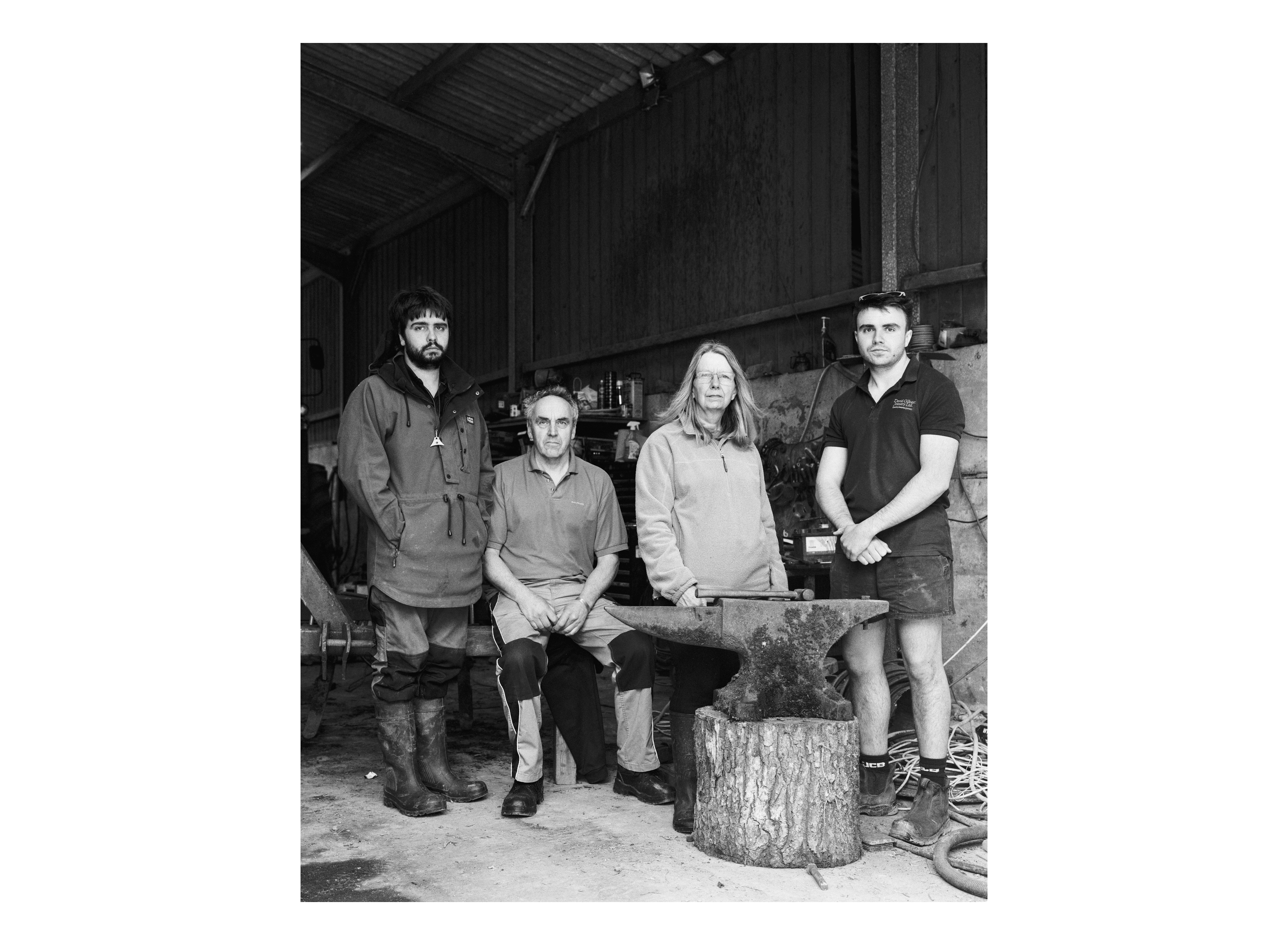
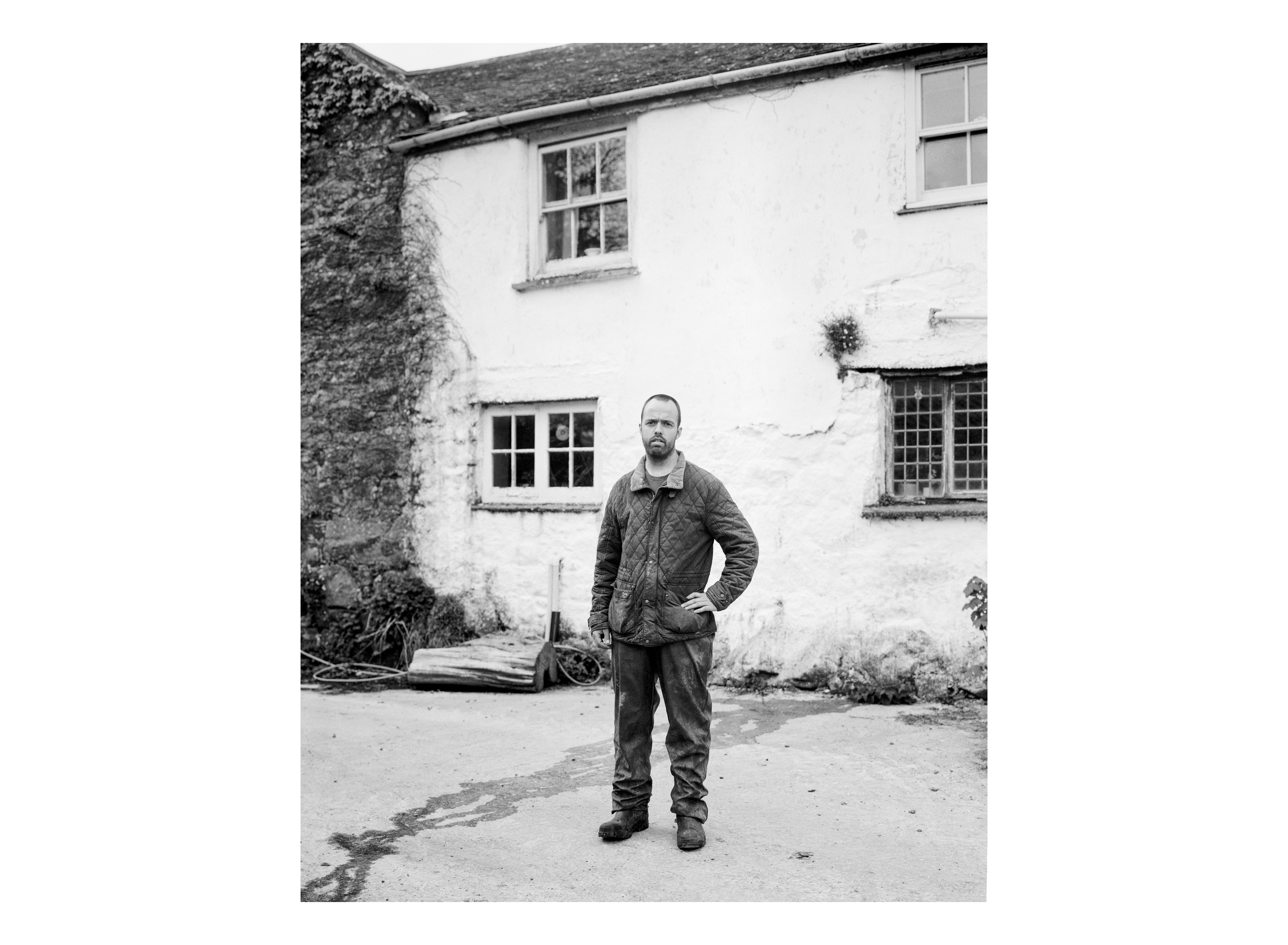
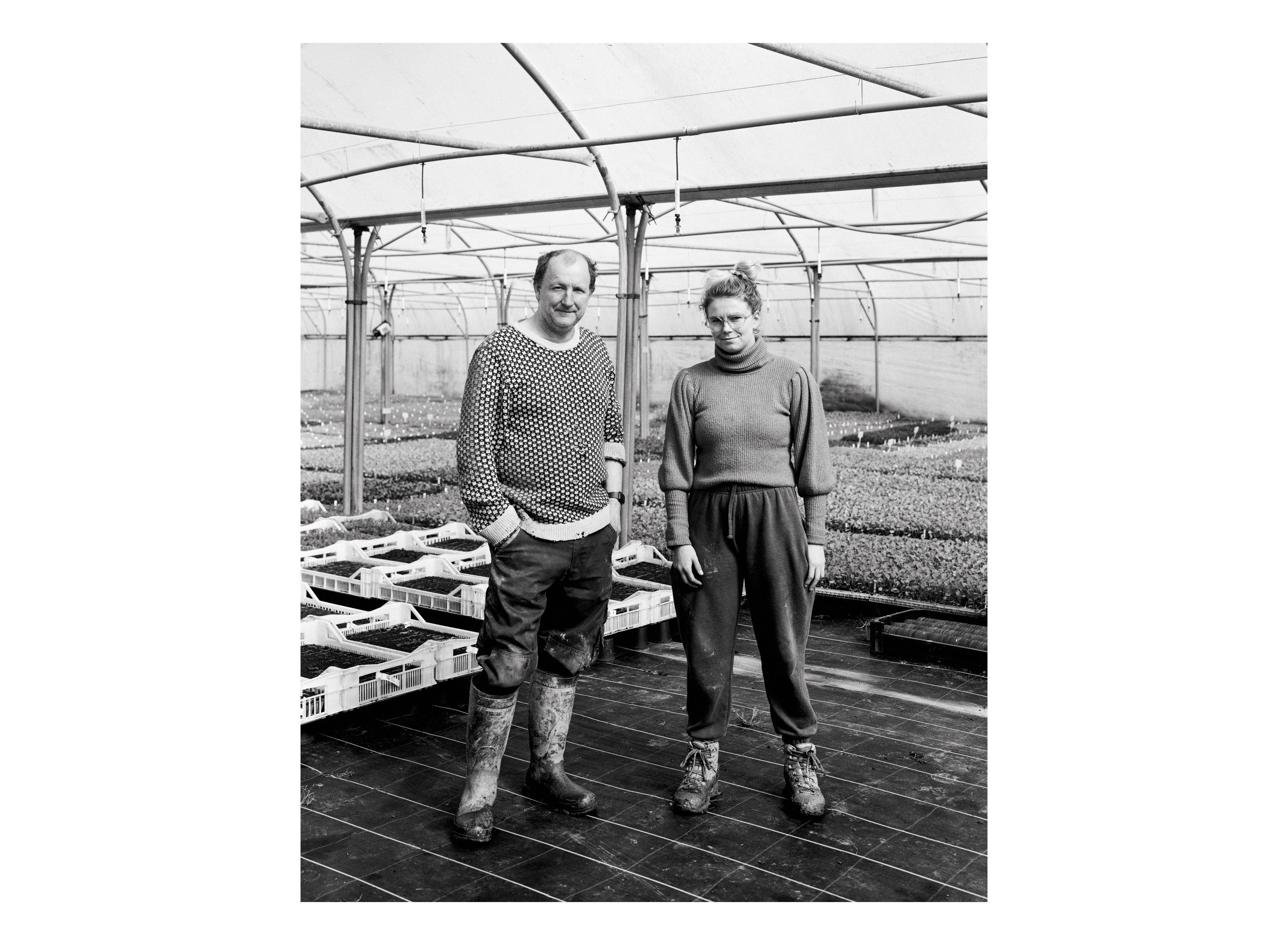
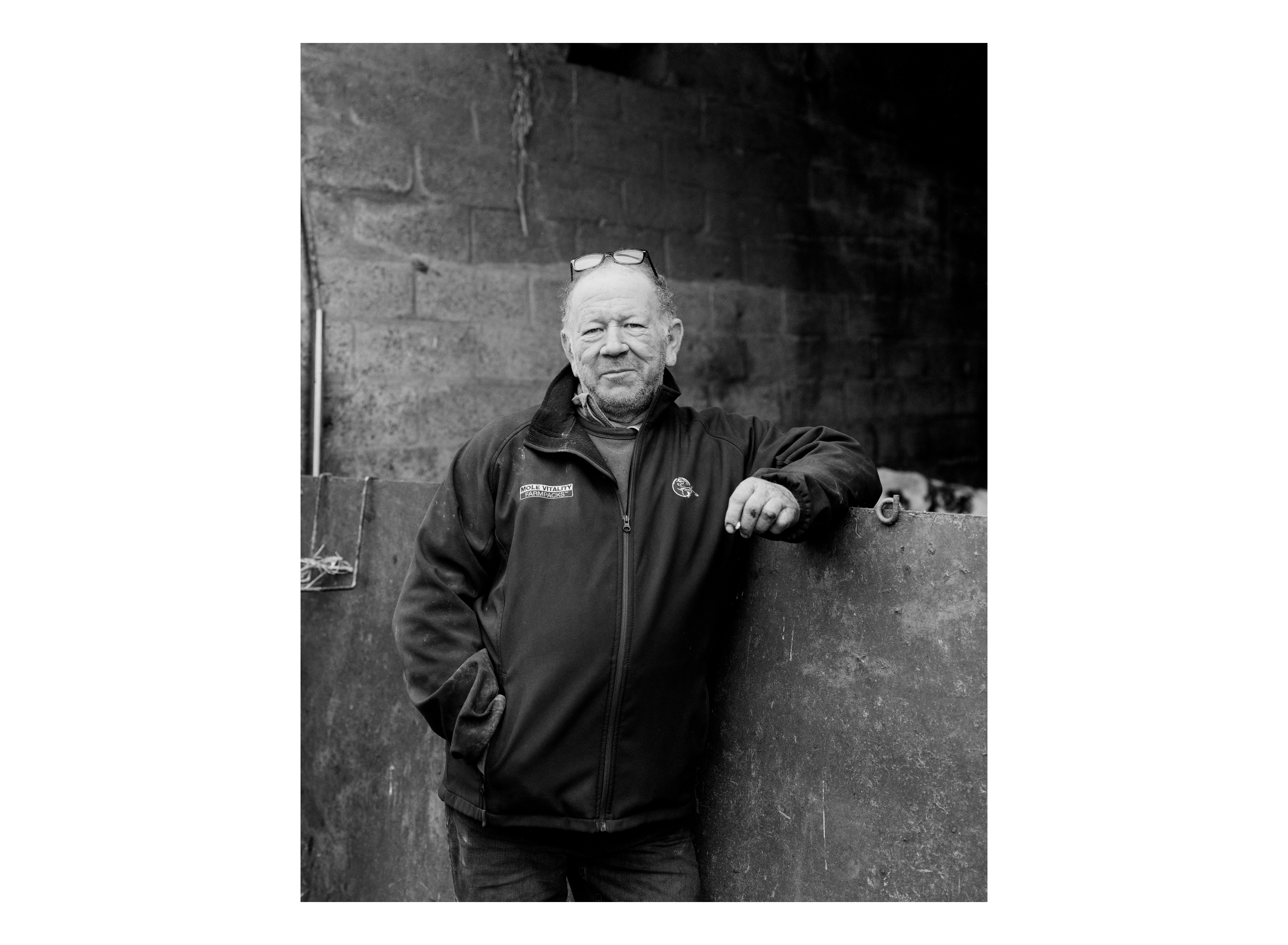
In early 2024 the ARL project was commissioned by the Kestle Barton Gallery to make a new series of portraits focusing on farming on the Lizard peninsula in Cornwall.

A diverse range of farmers and farming families on the Lizard were approached and photographed.  These included both large and small producers and people relatively new to the region as well as those whose families have worked the same land for five, or even six, generations.

Whilst dairy farming is the dominant form of farming on the Lizard there are numerous examples of emerging patterns of diversification. These are clearly manifest in initiatives such as the growth of regenerative and organic models, shifts from crop production to horticulture and in the subsidising of farming through tourism and farm shops.  

The work was exhibited at Kestle Barton during the summer of 2024, the following text was produced to accompany that exhibition:

. .

In our conversations with numerous farmers on the Lizard, there are clearly shared narratives with commentaries heard in other European sites. These include the capacity to sustain economic viability in respect to complex challenges emerging from economics, legislation, technologies, and climate change. There is also either a pragmatic embrace of contemporary multi-national agri-business models, or a scepticism born from the necessity of the vast capital outlay and loss of autonomy associated with these. Related to this is the concomitant increase in the size and scale of individual farms. We also see emerging patterns of diversification as within many of the other farming communities where we’ve worked. In the Lizard these are clearly manifest in initiatives such as the growth of regenerative and organic modes of farming, shifts from crop production to horticulture and in the subsidising of farming through tourism and farm shops. Significantly we encountered migrant workers highly embedded within the rural economy; central Europeans (Poles, Lithuanians, and Latvians) work the fields of the Lizard as Ukrainians do in Poland and people from Türkmenistan in Turkey.

We asked numerous families how they foresaw the next ten years of farming on the Lizard and the responses were intriguingly diverse. Speculations on whether the land will continue to be agriculturally productive or move further towards widespread adoption of governmentally driven environmental schemes were voiced. There is an uncertainty in the possibility of seeing, as someone put it, ‘trees planted where crops once thrived, land ‘rewilded’ where animals used to graze’. Others mentioned that they saw the future in terms of a transition towards the ‘natural potential’ of the land to generate profitability, with a wider range of crops in the rotation and a higher focus on soil management. A steadfast belief that smaller family run farms will ‘weather the storm’ runs parallel with the potential increased involvement of large organisations, such as the National Trust, Natural England and Cornwall Wildlife Trust. Whilst everyone acknowledged the numerous problems facing contemporary farming, the overwhelming responses we received were optimistic in tone, even when contradictory in viewpoint.

What has been clear to us, however, is the profound dedication felt by people to the land as well as to the region itself. People told us that their families have been on the same farms for five, six or even more generations, and networks of relationships and connections fostered through generations of inter-family marriages stretch web-like across the peninsula.